Ark
National Voices – User-centred website for the leading national health & social care coalition
2022 – ongoing

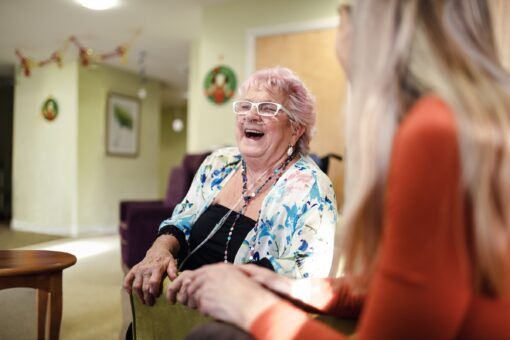
National Voices is the leading coalition of health and care charities in England, working to strengthen the voice of patients, service users and carers.
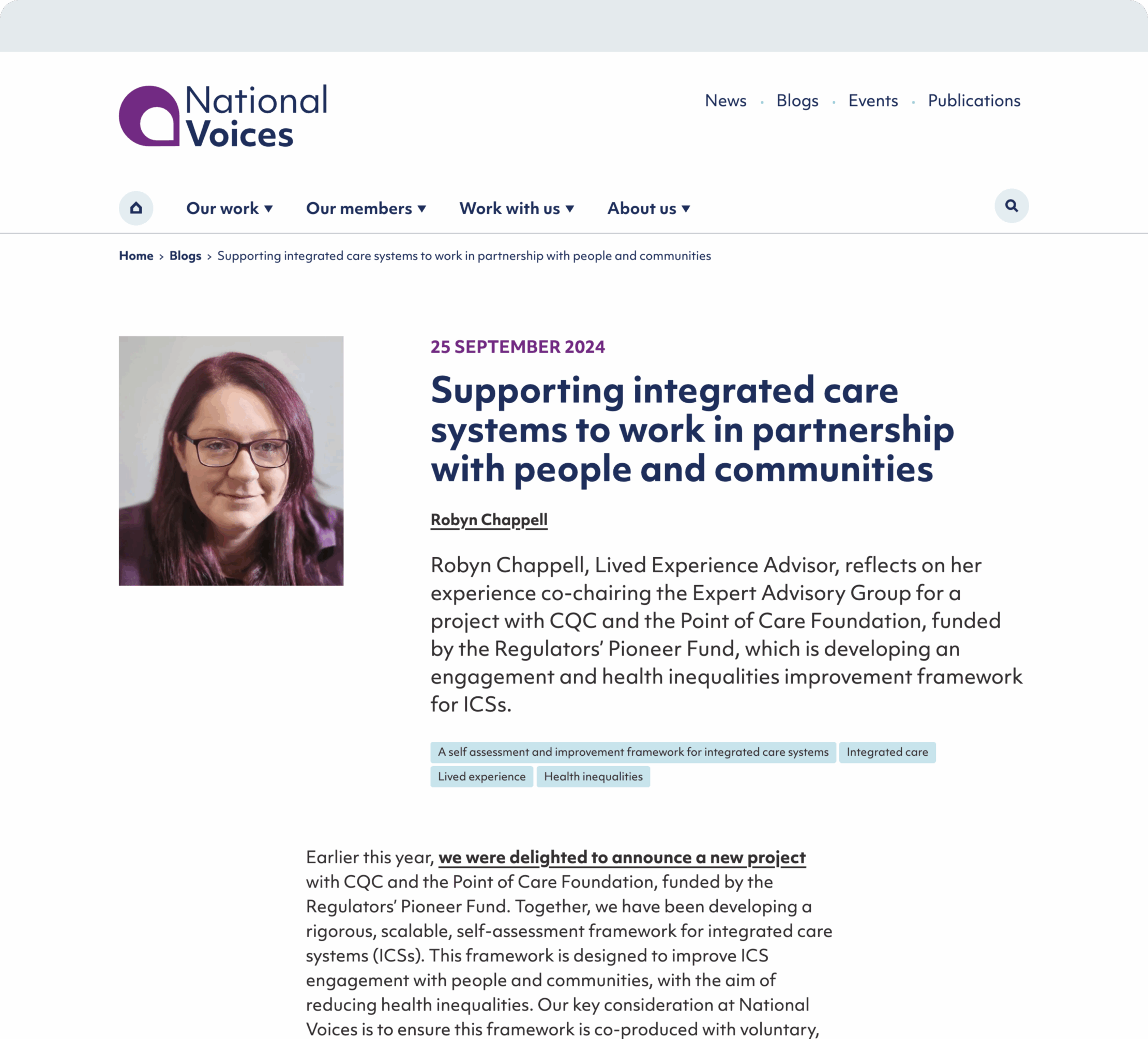
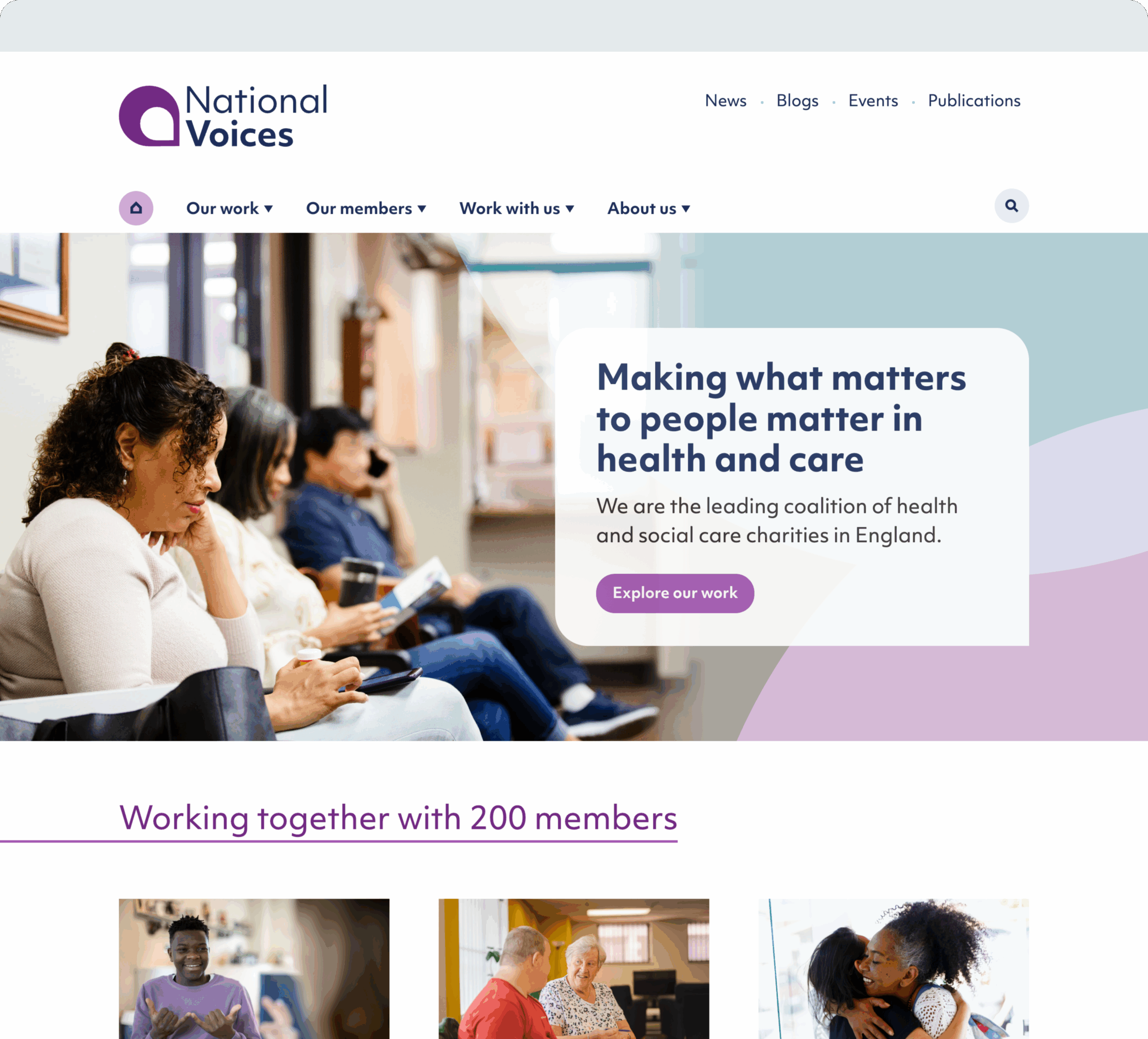
We partnered with National Voices on a new website to showcase their organisation, support their policy work, highlight their mentoring and coaching services, and provide an accessible home for information about their projects.
Tailoring the architecture
We established that National Voices’ main challenge wasn’t the volume of content, but enabling users to explore information in a more intuitive and engaging way.
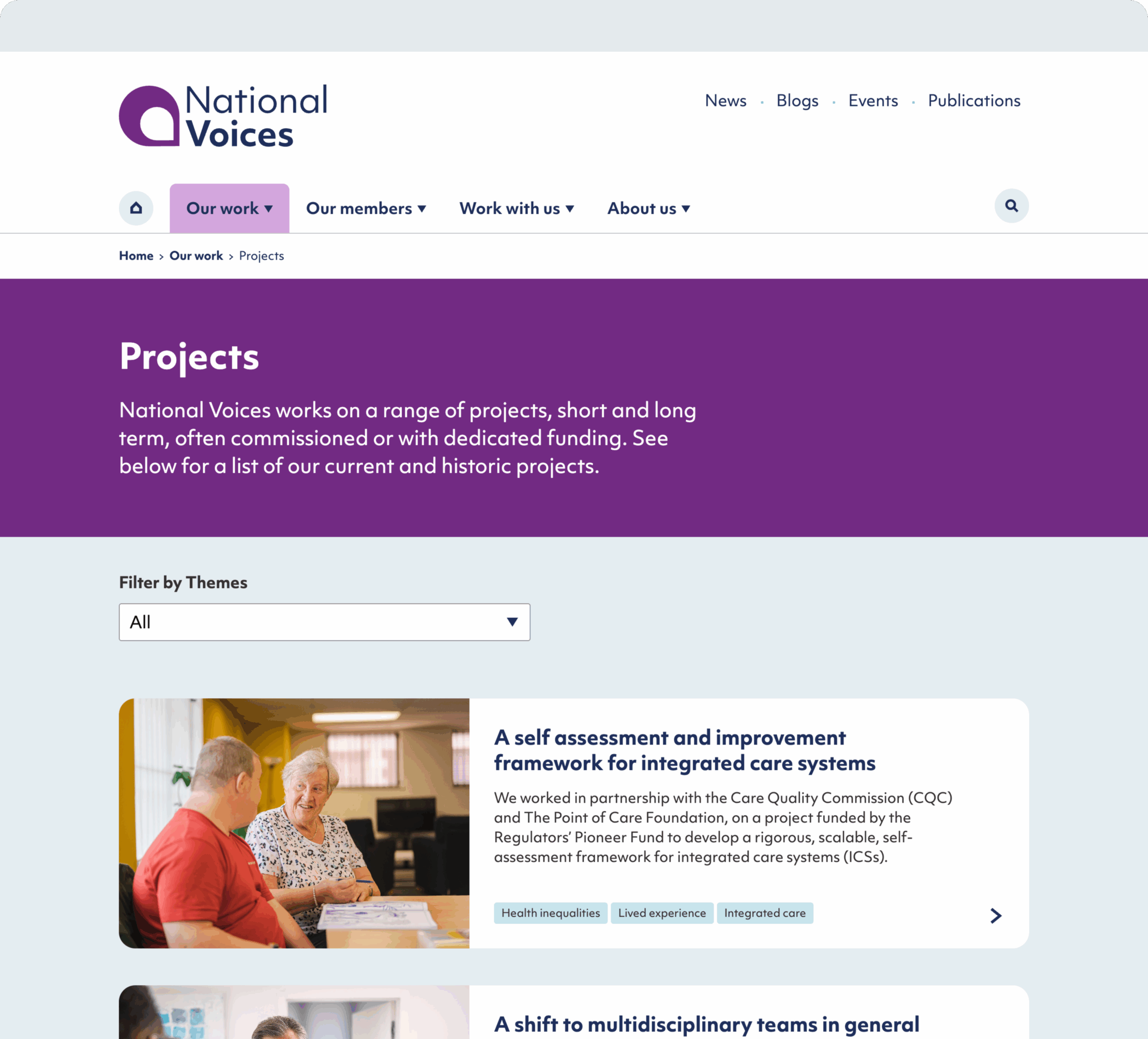
We developed a data structure specifically tailored to how the organisation operates, combining hierarchical pages with dynamic content types including people, members, news, blogs, case studies, publications, events and projects. Each content type uses a dedicated template optimised for presenting that specific type of information.
This is supported by a user-focused taxonomy of themes that cuts across different types of content, allowing users to easily view all content relating to topics like health inequalities or specific projects such as ‘Integrated Care’. These thematic landing pages combined automatically populated sections with editorial context, benefiting both user experience and SEO.
We also set up integration with their Hubspot CRM through forms including membership enquiries, applications, newsletter sign-ups and project enquiries, ensuring submitted data automatically populates their database.
Co-designed from the outset
We convened a user group to participate in discovery interviews, information architecture workshops and pre-launch testing. This approach helped generate ideas and avoid potential pitfalls early in the process, while creating champions for the new website at launch.
Multiple consultation sessions ensured that key audiences – including members, people with lived experience, policy makers, and sector partners – all had input into the final design.
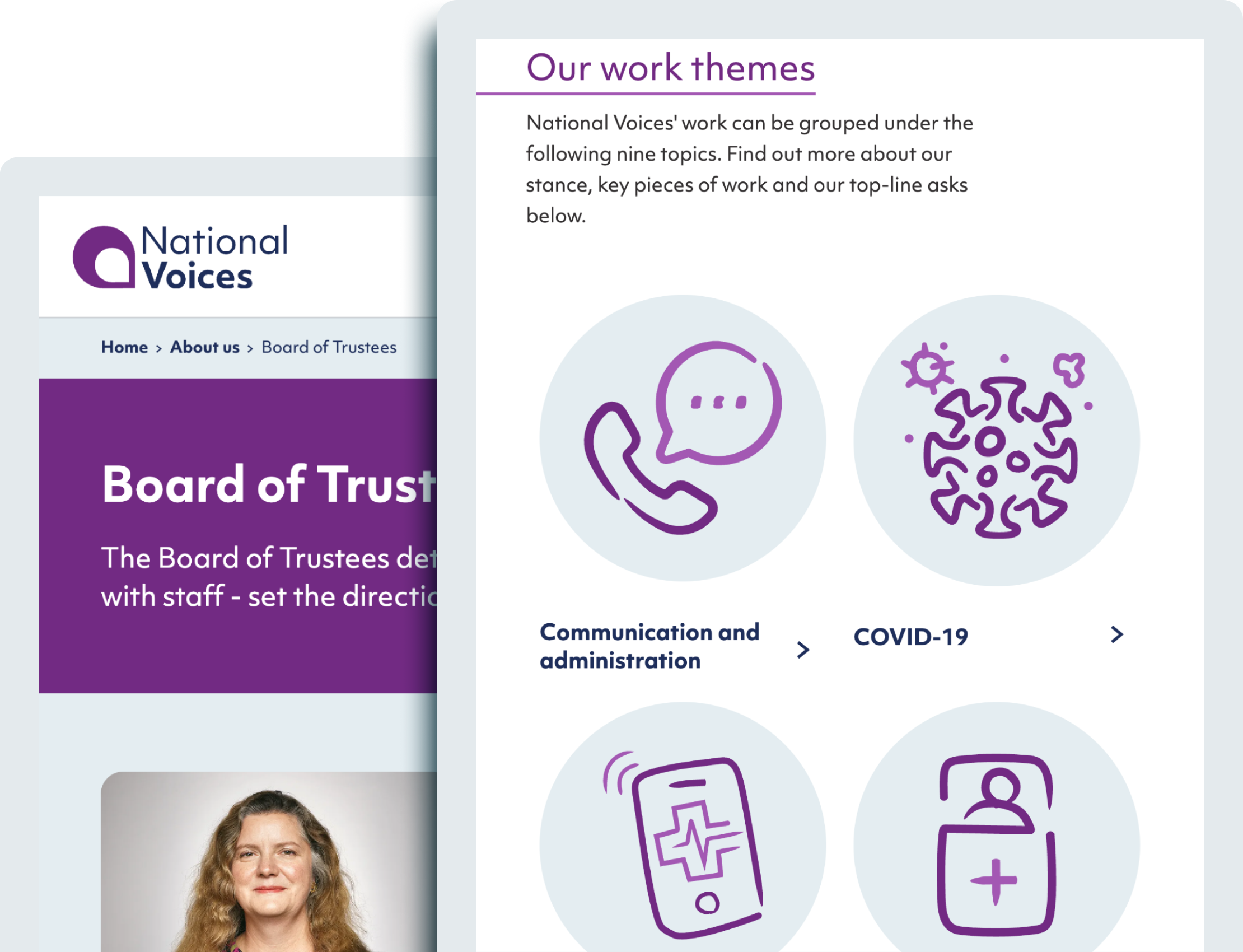
Accessibility at its core
Given the end user needs, making the site as accessible as possible was fundamental to the project. Clear typographic hierarchy, careful use of colour, and thoughtful content structure created a site that was both compliant and genuinely usable.
The design addressed practical challenges around imagery, developing templates and components that work well with limited photography while protecting the privacy of service users.
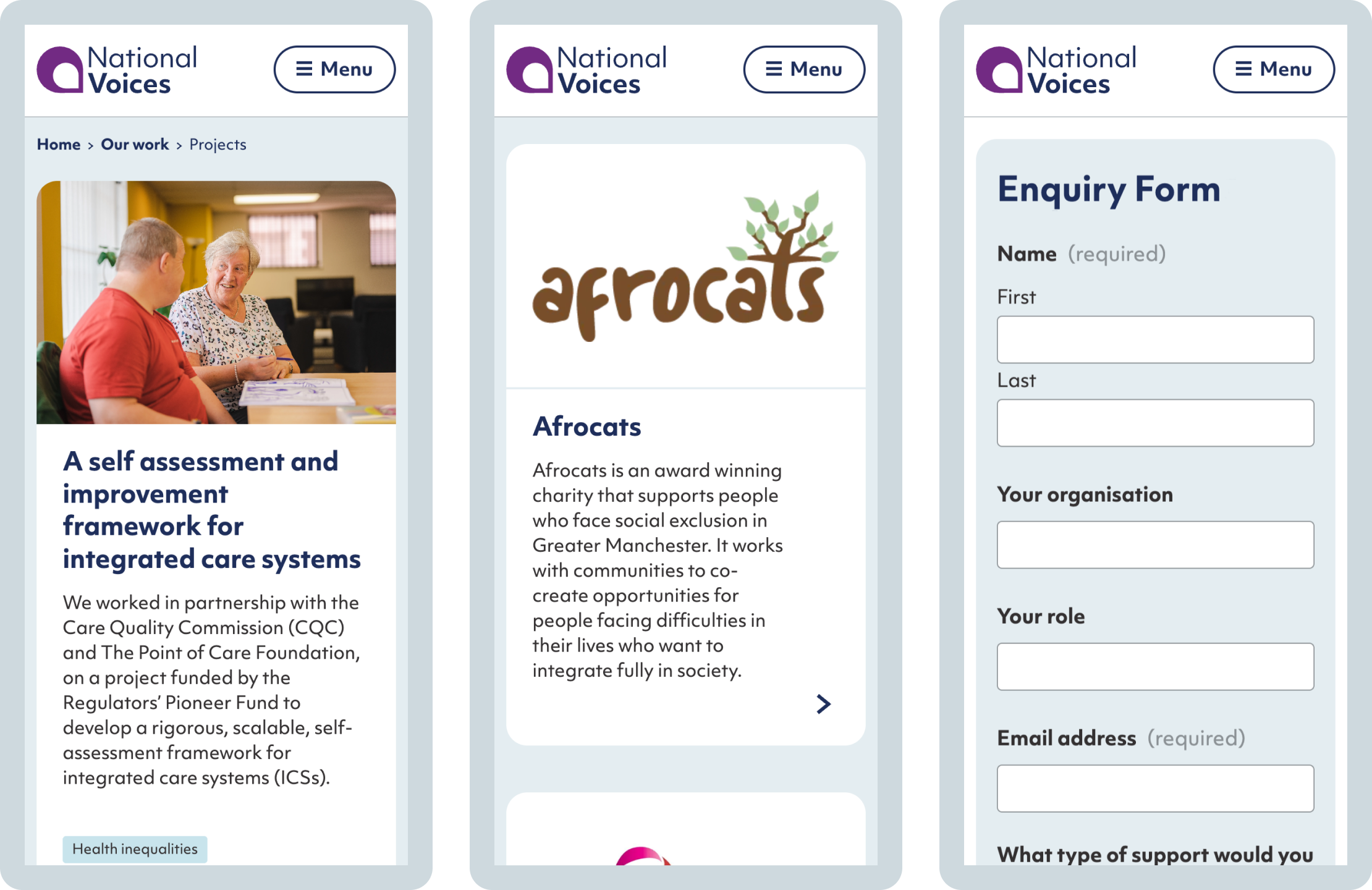
Flexible and sustainable editing
Combining well-defined templates and a block-based approach provided the best of both worlds: logical structure and visual consistency alongside flexibility and nuanced control of page content flow. As much of the site as possible is editable through the content management system, making the team self-sufficient for most updates.